


Likes are easy. Comments are gold.
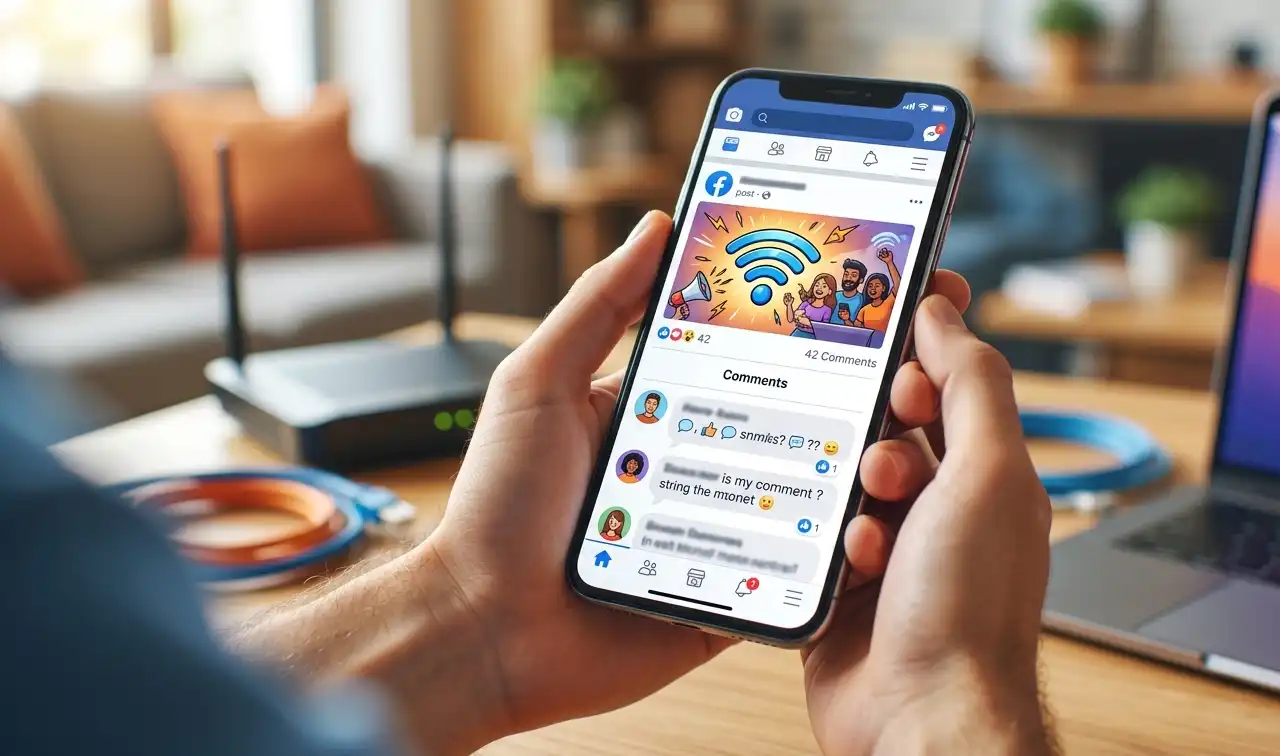
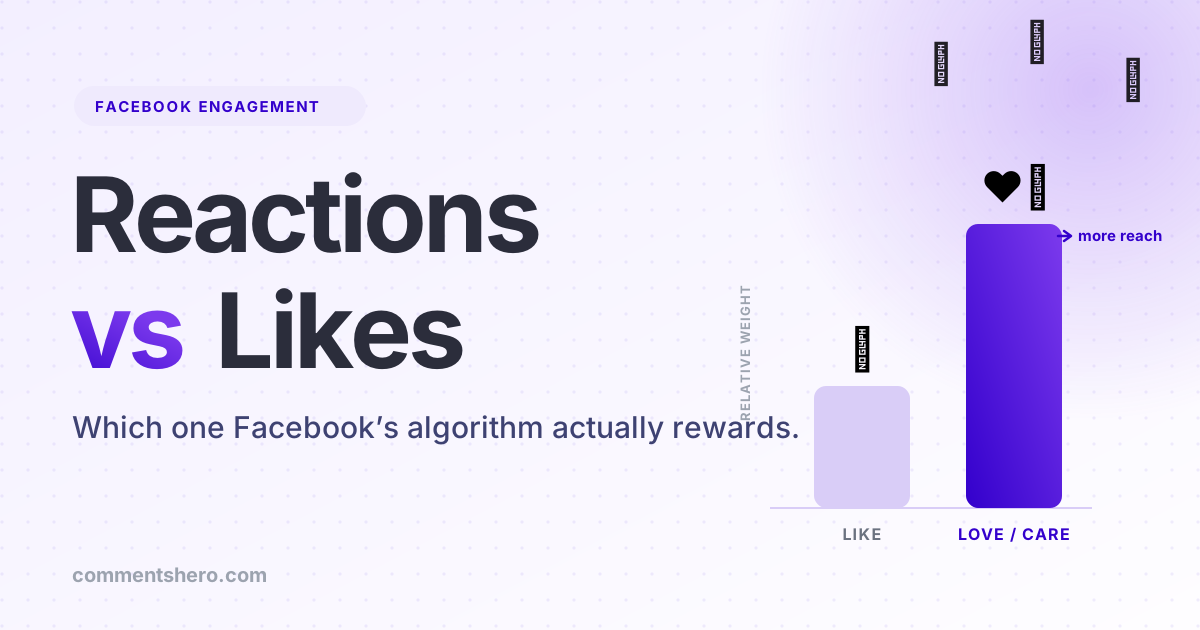
A like takes half a second and means almost nothing to the algorithm. A comment, on the other hand, tells Facebook that your post sparked a real reaction — and that's exactly the signal that pushes your content (and your ads) in front of more people, for less money. If your posts are pulling in plenty of thumbs-up but the comment section stays empty, you don't have a reach problem. You have a conversation problem.
The good news: comments aren't random. People comment when a post gives them an easy, low-pressure reason to. Below are seven post formats that reliably get people talking, with real examples you can adapt to any page, brand, or niche.
1. Ask a Question Everyone Already Has an Answer To
The single biggest mistake brands make is asking questions that require effort. "What are your thoughts on our new pricing structure?" gets crickets. "What's the one thing you wish someone told you on your first day at work?" gets a flood.
The trick is to ask about something your audience has lived, not something they have to research. Everyone has an opinion about their own experience, and most people enjoy sharing it.
For example, a free career platform like CareersForge could post: "What's the one skill that actually got you hired — not the one on the job description?" Almost anyone who's ever had a job has an answer, and the moment they type it, they've engaged. The post isn't selling anything. It's opening a door.
2. Use the "Fill in the Blank"
This is the lowest-friction comment format there is, because you've already done 90% of the work for them. People love completing a sentence — it feels like a tiny game, not a chore.
"The best career advice I ever got was ______."
"I'd switch jobs tomorrow if my new role had ______."
Because the barrier is so low, you'll get responses from people who would never write a full paragraph. And every one of those one-word answers still counts as a comment in the algorithm's eyes.
3. Post a "This or That" Choice
Give people two options and ask them to pick a side. Decisions are easy; essays are hard. A binary choice removes the pressure of having to be clever or articulate.
"Remote work or office work — which one actually makes you more productive?"
This works especially well because it quietly invites debate. Someone says "remote," someone else defends the office, and suddenly your comment section is alive with people replying to each other — which Facebook loves even more than replies to you.
4. Share a Genuinely Useful Tip, Then Ask for Theirs
Lead with value, then hand the mic over. When you give first, people feel a natural pull to give back. Drop one concrete, actionable tip, then invite the audience to add their own.
"Quick resume tip: cut every line that starts with 'Responsible for.' Recruiters skim for results, not duties. → What's your best resume hack?"
The free tip earns goodwill and shares. The follow-up question turns passive readers into active commenters. This format is perfect for value-driven brands because it reinforces that you're there to help, not just to sell — the same reason free-content platforms build loyal, talkative audiences in the first place.
5. Make a (Friendly) Bold Statement
A mild, defensible opinion invites people to agree loudly or push back. Notice the word mild — you want a take people have feelings about, not one that's offensive or alienating.
"Honestly? Your degree matters way less than your first two years of work experience."
Some will cheer. Some will argue. Both are commenting. The key is to stay positive and respectful so the conversation stays healthy and your brand looks confident, not combative.
6. Ask People to Tag Someone
Tagging is a comment and a free referral rolled into one. When someone tags a friend, your post lands in front of an entirely new person — one who already trusts the friend who tagged them.
"Tag the friend who's secretly thinking about quitting their job in 2026."
The post has to be tag-worthy: funny, relatable, or genuinely helpful enough that tagging someone feels like doing them a favor, not spamming them. Get that right and a single post can quietly snowball.
7. Run a Quick Poll in the Caption
You don't always need Facebook's built-in poll feature. A simple numbered list in your caption works just as well and often gets richer answers, because people add a comment explaining their pick.
*"Pick your dream work setup:
- Fully remote
- Hybrid
- Office, but flexible hours Drop your number below 👇"*
The emoji arrow and the explicit instruction ("drop your number below") matter more than they look. People comment far more often when you tell them exactly what to do.
The One Habit That Ties It All Together
Whatever format you use, do one thing religiously: reply to comments quickly. When people see the page actually responding, they're far more likely to join in — and every reply you post is another comment boosting the thread. The first hour after posting is when this matters most.
Engagement isn't about clever tricks. It's about making it genuinely easy, and genuinely worthwhile, for people to say something. Give them a reason, lower the barrier, and show up in the replies. Do that consistently and your comment sections — and your ad performance — will look very different a month from now.
Looking for content topics your audience will actually want to talk about? Free career and skills platforms like CareersForge are a goldmine of conversation-starters — career questions get people typing because everyone has a story to share.
Want a head start while you test these formats? You can buy Facebook post comments to give a new post its first wave of activity.