
You post something you genuinely care about, hit publish, and then watch the clock. One like. Maybe two. Zero comments. It's not that your content is bad — it's that your opening line gave people no reason to stop. That's the entire job of facebook hooks: arrest the scroll before the algorithm even gets a vote.
Most people treat the first sentence of a post as a caption. It isn't. It's a door. Open it wrong and everyone walks past. Open it right and you get 40 comments by lunch. The difference between those two outcomes usually comes down to one or two words in the first line — and that's actually great news, because it's completely fixable.
This isn't about tricks. It's about understanding what makes a human brain pause, feel something, and then reach for the keyboard. Once you see the patterns, you'll spot them everywhere — and you'll start writing them instinctively.
Why the First Seven Words Carry All the Weight

Facebook's mobile feed shows roughly the first 125 characters of a post before the "See More" cut-off. On a phone, that's often just seven to ten words. Everything you want — the comment, the share, the click — has to be earned in that window. A hook that works doesn't summarize your post. It creates a tiny itch the reader has to scratch.
The Open Loop Hook
Open loops exploit a quirk of human cognition: we hate unfinished things. "I almost cancelled my Facebook ads last Tuesday — then this happened" is an open loop. The reader's brain won't let them scroll past without resolving the tension. You don't need clickbait for this. "We tried posting every day for 30 days. The results were not what we expected." That's it. Specific, real, unresolved. People comment because they want to know, but they also want to share their own guesses.
The Provocative Opinion Hook
Disagreement is one of the most reliable comment triggers on Facebook. "Unpopular opinion: scheduling posts in advance kills your reach" will outperform "Here are our top scheduling tips" every single time. You don't need to be rude or inflammatory. A confident, specific stance is enough. The readers who agree will say so. The ones who disagree definitely will. Either way, your comment count climbs.
Pro tip: Write your provocative opinion hook, then ask yourself: "Would a reasonable person push back on this?" If the answer is yes, you've got something. If everyone would nod along, sharpen the take.
Question Hooks That Actually Get Answered

Questions are the oldest trick in the engagement playbook — and they're still the most abused. "What do you think?" at the end of a post is not a hook. It's a shrug. The questions that generate real comment threads are specific, low-stakes, and personally relevant to your audience.
The "This or That" Format
Binary choices are almost impossible to scroll past. "Morning workout or evening workout — which actually gets done?" takes three seconds to answer and feels like a personality question. People don't just answer; they explain their answer, defend it, ask others. One question, 60 comments. Real comment momentum starts with a question your audience already has a strong feeling about — you're just giving them permission to say it.
Nostalgia and Memory Prompts
Memory-based questions bypass the "should I bother?" filter entirely. "What was the first concert you ever went to?" or "What job did you have at 16?" These work because the answer already exists inside the reader's head. There's no effort required, just recall. For brands, you can tie this to your niche: a coffee shop asking "What was the first coffee order you ever made yourself?" gets way more replies than "Tell us your favourite drink!"
If you want to see how this plays out across different industries, the post on Facebook post ideas that actually make people comment breaks down niche-specific examples worth borrowing.
Hooks Built for Facebook Ads (Not Just Organic Posts)

Ad hooks operate under extra pressure. You're paying for impressions, the audience didn't follow you, and they're even more scroll-happy than your organic audience. The facebook hooks that work in ads tend to lead with a problem, not a product. "Still paying for broadband you never use?" hits differently than "Check out our new broadband plans."
The Pain-First Hook
Name the specific frustration before you name the solution. The more precise the pain, the stronger the hook. "Tired of posting every day and getting three likes?" is more powerful than "Struggling with social media?" Precision signals that you actually understand the reader's situation — and that makes them trust what comes next. For a deeper look at how this plays out in a specific ad context, the guide on writing broadband ads that people actually comment on shows the same pain-first principle applied to a competitive, low-engagement niche.
Social Proof as a Hook
Numbers in the first line stop thumbs cold. "Over 4,000 businesses switched last month" or "We asked 200 customers what they hated most about X — here's what they said" both work because they imply a story with stakes. When you're running paid campaigns, that social proof hook also pre-qualifies the reader: if the number resonates, they're already leaning in.
Hooks That Work Specifically for Product and Service Posts
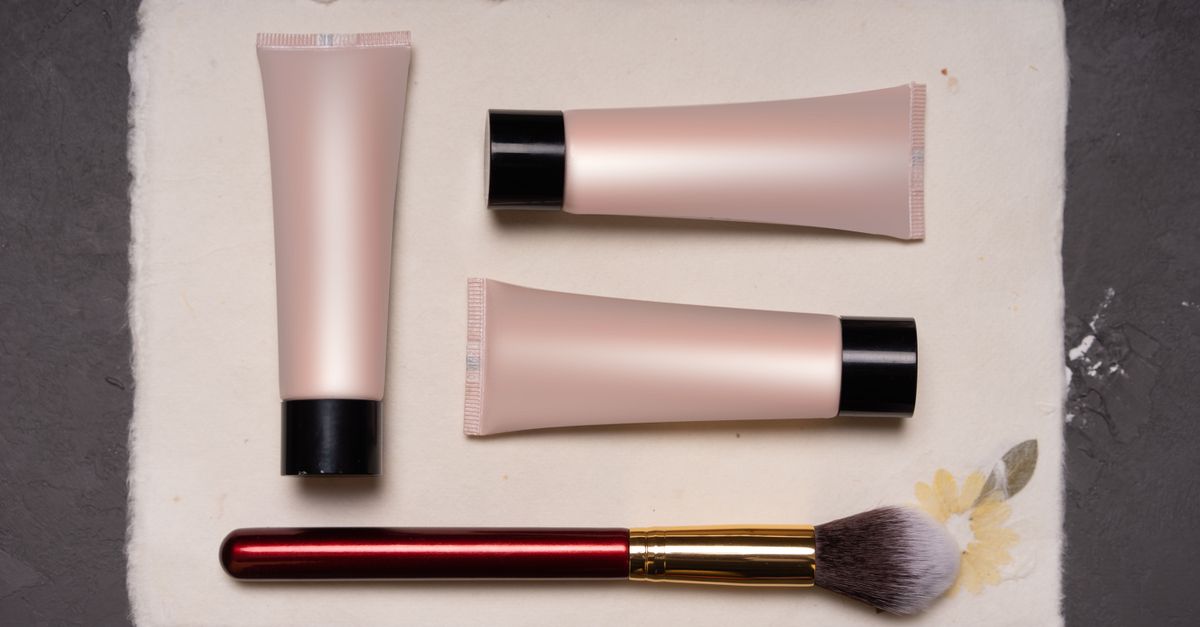
Product posts are the hardest to hook because everyone knows you're selling something. The instinct is to lead with the product name or a discount. Resist it. The posts that generate genuine comments lead with context, not commerce.
"We made this because we couldn't find one we actually liked" is a hook. "New product drop!" is not. The first one invites curiosity and identification. The second one invites a scroll. Fashion and lifestyle brands have figured this out faster than most — the breakdown of turning product posts into comment magnets for fashion and leather brands shows exactly how storytelling hooks outperform promotional ones in real campaigns.
For service businesses — dentists, event pros, consultants — the hook should surface a moment your audience has lived through. A dental practice posting "That moment when you realise you've been brushing wrong your whole life 😬" will get more comments than any offer post. Niche service marketing on Facebook lives or dies on this kind of relatable, specific opener.
Timing and Formatting Tricks That Amplify Any Hook

Even a great hook can underperform if it's buried in a wall of text or posted at 2am. Facebook's algorithm rewards early engagement velocity — meaning the comments you get in the first 30 minutes matter more than the ones you get in hour three. Post when your specific audience is actually online. Check your Page Insights under "When Your Fans Are Online" and pick the 30-minute window with the highest activity.
Formatting matters too. Break your hook onto its own line. White space makes it breathe. If your hook is buried in the middle of a paragraph, it's not a hook — it's a buried lead. One sentence. Hard stop. Then the rest of the post below it.
Short hooks also tend to outperform long ones. Under 15 words is a good target. "I was wrong about video content. Here's what I learned." That's 11 words and it opens three different curiosity loops simultaneously. If you're finding that even well-crafted posts struggle to get initial traction, understanding why Facebook posts get no comments can help you diagnose whether it's the hook or something structural going on with your page.
Expert tip: After you write a hook, read it out loud. If it sounds like something a real person would say to a friend, keep it. If it sounds like a press release, rewrite it.
Frequently Asked Questions

Do facebook hooks work the same way in Facebook Groups as they do on Pages?
Groups actually reward hooks even more than Pages, because members have already opted into the community and are primed to engage. The difference is that group members are quicker to ignore anything that feels promotional. Lean harder into opinion hooks and memory prompts in groups, and avoid any hook that reads like an ad headline. The conversational, peer-to-peer tone converts much better in that environment.
My audience is older (55+) — do these hook styles still apply?
Absolutely, with one adjustment: avoid internet-native formats like "hot take:" or "unpopular opinion:" which can feel unfamiliar. Instead, use direct, plain-language versions of the same structure. "I've been doing this for 20 years and I still got it wrong" works for any age demographic. Nostalgia hooks also tend to over-index with older audiences — they're often the highest-comment posts in that demographic by a significant margin.
How often should I change up my hook style before it gets stale with the same audience?
Rotate at minimum every third post. If you use an open loop hook Monday, use a "this or that" question Wednesday, and a provocative opinion Friday. Audiences don't consciously notice the pattern, but they do start to feel the predictability — and predictability kills curiosity. Keeping a simple running doc of which hooks got the most comments over the last 30 days takes five minutes a month and tells you exactly which formats your specific audience responds to best.
Testing a new hook and want faster signal on what's working? You can buy Facebook comment replies to see engagement patterns sooner.