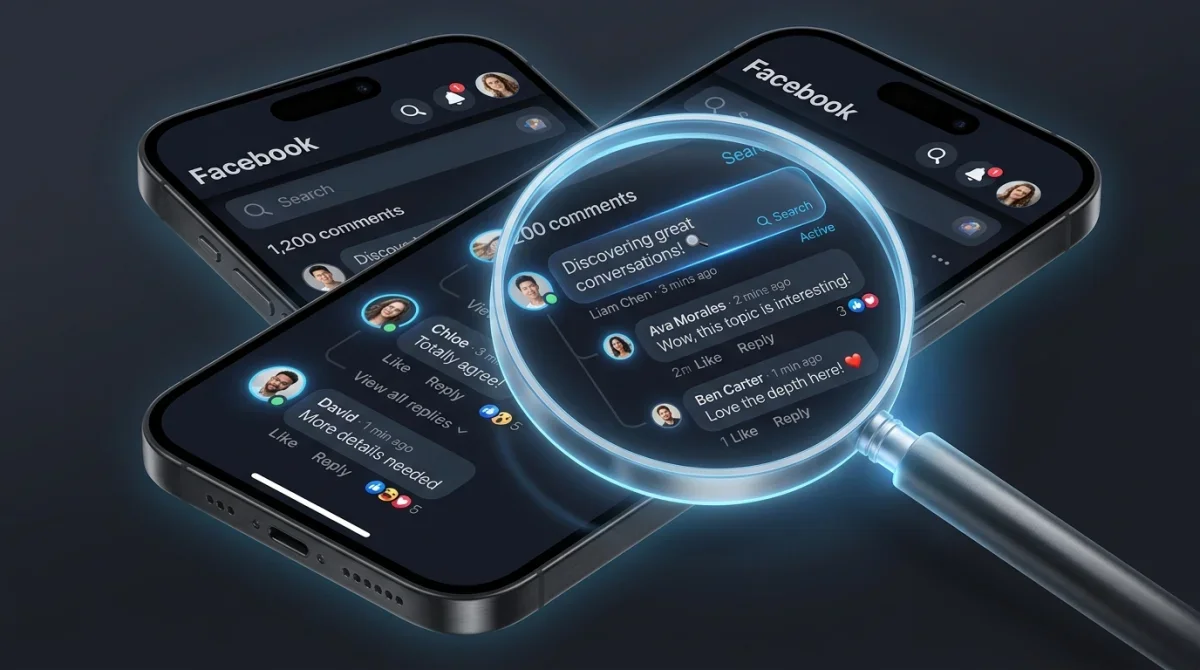



A blogger in Austin once linked to a Facebook comment—not a blog post, not a press release, a comment—because it contained a stat no one else had published. The comment lived on a public industry page, got 340 likes, and within two weeks appeared as a cited source in three separate articles. That's how to get high-quality backlinks from a place most SEOs completely ignore. For SEO for small businesses, Facebook comments written with intention can function as discoverable, quotable micro-content that journalists and writers actively mine for sources, helping brands earn authoritative backlinks without creating new long-form content.
Most people treat Facebook comments as throwaway reactions. A thumbs-up emoji, a "great post!", maybe a quick question. That habit leaves serious link-building potential sitting on the table. The same writers who trawl Reddit threads and Twitter for expert quotes are scrolling Facebook too — especially on public pages with large, engaged audiences. If your comment is specific, data-backed, and says something nobody else in the thread said, it becomes a citation waiting to happen. By contributing detailed commentary on trending posts, you build an organic footprint that positions your brand as an active, authoritative voice directly inside your industry's community hubs.
This guide walks you through the exact conditions, structures, and follow-up moves that turn a Facebook comment into a genuine backlink source. No fluff. No "engage authentically" platitudes. Just the mechanics of how it actually works, step-by-step.
Why Facebook Comments Can Function as Link-Building Assets

Google indexes public Facebook posts and their comment threads. Not all of them, and not instantly, but high-engagement public posts on pages with strong domain signals get crawled regularly. When a post on a major industry page hits 500+ interactions, its URL often appears in search results within 48 to 72 hours. Your comment, if it's near the top of that thread, rides along for the crawl. Because search engines prioritize pages with dynamic user-generated content, high-quality threads on high-authority Facebook pages are crawled repeatedly, creating a permanent, indexable reference point for your insight.
How Journalists Discover Facebook Comments as Sources
Reporters using tools like CrowdTangle, BuzzSumo, or even a simple Facebook keyword search regularly surface high-engagement public posts around their beat. When they find a thread with real debate or expert insight, they read the comments. A comment that contains a specific number, a named case study, or a counter-intuitive claim gets screenshotted and, in many cases, directly linked. HARO and Qwoted have trained journalists to look for expert voices everywhere, and Facebook is firmly on that map. If you want to know how to get high quality backlinks without a PR budget, this is one of the most underused routes available. Instead of pitching cold press releases that get ignored, you are meeting reporters where they are already looking for evidence to support their next piece.
The Anatomy of a Comment That Attracts Backlink Attention

Length matters, but structure matters more. A comment that earns a link typically runs between 80 and 150 words — long enough to make a real point, short enough to be quoted whole. It opens with a specific claim or data point, supports it with one concrete example or personal experience, and ends with an implication or open question that invites response. By formatting your thoughts with clear line breaks and bullet points where applicable, you also ensure that your comment stands out visually on the screen, capturing the eye of any editor scanning the thread.
The Three Elements Worth Stealing
Original data is the strongest magnet. If you ran a 90-day test on your Facebook ad campaigns and saw a 34% drop in cost-per-comment after shifting to Reels placements, say that in the comment. Nobody else has your number. Second, a strong opinion stated plainly — not hedged into mush — gives writers a quotable line. Third, a named counterexample challenges the post's premise in a way that makes your comment the most interesting one in the thread. Pair any of these with a link to a resource you created, and you've built a comment that functions as a micro-landing page for your expertise. For more on crafting posts that generate this kind of substantive discussion, see how certain Facebook post formats reliably generate real comments fast.
Pro tip: Screenshot every high-value comment you leave within 30 minutes of posting it. Page admins delete threads without warning, and your screenshot becomes the asset you pitch to journalists even if the original disappears.
Which Facebook Pages and Groups Give Your Comments the Most SEO Exposure
Not all Facebook real estate is equal. A comment on a private group post is invisible to Google and to any journalist who isn't already a member. You need public pages — specifically, pages with over 50,000 followers in your niche, pages run by media outlets or industry associations, and pages attached to viral posts that are already pulling organic search traffic. When selecting target pages, check how quickly comments get replies; high-activity comment sections indicate that the page is constantly indexed, meaning your comment will register in search engines faster.
Targeting Posts With Existing Search Visibility
Search your niche keyword directly in Facebook's search bar and filter by "Posts" then sort by "Most Recent" — but also check the top results, which tend to be posts with the most engagement. A post from a 200,000-follower marketing page that already ranks on page two of Google for a head-term keyword is your prime target. Drop a data-rich comment there and you're attaching yourself to an already-indexed URL. Industry association pages, trade publication Facebook accounts, and the pages of well-known podcasters in your space all fit this profile. Understanding why some Facebook posts get no comments helps you recognize the high-traction posts worth targeting — they're the ones with strong hooks that pull real engagement.
Turning a Viral Comment Thread Into a Linkable Content Asset

When one of your comments takes off — say it gets 50+ replies and 200 likes — that's your signal to build something bigger around the insight you dropped. Screenshot the full thread, pull out the most interesting replies, and write a 1,200-word blog post that expands the original comment into a full argument with supporting evidence. This organic pipeline forms the foundation of a modern content repurposing strategy, allowing you to validate ideas in the comment section before investing resources into writing detailed, high-ranking guides.
The Comment-to-Case-Study Pipeline
Structure the post as: here's what I said, here's the reaction it got, here's the deeper data behind the claim, here's what you can apply. This format works because it leads with social proof — real engagement numbers — before asking anyone to trust your analysis. Publish it, then go back to the original Facebook thread and add a reply linking to the full post. Writers who bookmarked the thread now have a destination to link to. This is exactly the kind of comment-first content strategy that small brands use to punch above their weight. You can also repurpose the comment into a short Reel that drives traffic back to the post — check how boosting comment rates on Facebook ad campaigns can amplify reach once you have that asset live.
Outreach Moves After You Leave a High-Value Comment

The comment is step one. The outreach is where the backlink actually gets made. Within 24 hours of leaving a high-value comment, copy the direct URL of your comment (click the timestamp to get the permalink) and send it to three to five journalists or newsletter writers who cover your topic. Keep the pitch to two sentences: what you said, and why it's relevant to something they recently published. If you're looking to strengthen your overall link-building strategy beyond manual outreach, platforms like Backlinks Guru can help you discover effective ways to earn high-quality backlinks from authoritative websites.
Using Industry Newsletters as Amplifiers
Many niche newsletters — the ones with 5,000 to 30,000 subscribers in a specific industry — actively curate "what people are saying" sections. A well-timed email to the editor with your comment permalink and a one-line summary of the insight can land you a mention with a link in the next issue. Tag the newsletter's social accounts in a post sharing your comment screenshot; editors notice when their audience is engaging with an outside voice. This outreach loop — comment, screenshot, pitch, tag — is the repeatable system that converts a good comment into a measurable backlink. For building the kind of posts that generate comments worth pitching in the first place, the techniques behind Facebook hooks that spark real replies and turning likes into actual comments give you the engagement signals that make your page look credible to journalists before they even read your comment. Timing your activity also matters — posting and commenting during peak windows covered in guides like the best times to post on Facebook for replies increases the odds your comment rises to the top of a thread fast.
Frequently Asked Questions
Do backlinks from Facebook comments carry any real domain authority since Facebook links are nofollow?
Direct links from Facebook are nofollow, so they don't pass PageRank. The value isn't the Facebook link itself — it's the visibility your comment gets with journalists and bloggers who then link to your website from their own domains. Those editorial backlinks are dofollow and carry full authority. Facebook is the discovery layer, not the link source.
What should I do if my high-value comment gets deleted by the page admin before anyone links to it?
This is exactly why you screenshot within 30 minutes of posting. With a screenshot and the original timestamp, you can still pitch the insight to journalists as a quote from a deleted thread — many writers will accept that with proper attribution. You can also republish the comment verbatim as a standalone post on your own page or blog, which creates a new, indexable URL around the same content.
Can leaving too many strategic comments across Facebook pages look spammy to Google or damage my brand?
Google doesn't penalize you for commenting on Facebook — it has no visibility into your behavior there. The brand risk is purely human: if your comments are clearly promotional or repetitive, page admins will ban you and other users will dismiss you. Keep your ratio at roughly one genuinely useful comment for every ten posts you read in a thread, and never drop your website URL unless it directly answers a question someone asked.
Building that comment history takes time — some pages buy Facebook comments to get a thread started worth replying in.