
You’ve spent real money on a Facebook ad for your new leather tote. The creative looks sharp. The copy feels right. You hit publish, watch the impressions climb — and then… Silence. A handful of likes, zero comments, and a cost-per-click that makes your stomach drop. If that sounds familiar, you’re not alone. Running fashion facebook ads isn’t just about pretty product shots; it’s about engineering posts that make people stop, feel something, and say it out loud in the comments.
The fashion and leather goods space is brutally competitive on Facebook. You’re bidding against fast-fashion giants, Etsy sellers, and luxury brands with six-figure ad budgets. But here’s what most of those competitors miss: Facebook’s algorithm rewards comment activity far more than passive likes. A post with 40 genuine comments gets pushed to more feeds organically, lowering your effective cost per impression. Engagement isn’t just vanity — it’s a distribution lever.
This guide is specifically about ads and product posts for fashion and leather brands — how to structure them, what copy triggers comments, and how to build campaigns that compound over time.
Why Fashion Ads Fail to Generate Comments

Most fashion brands treat their Facebook ads like digital billboards. Big image, product name, price, shop link. Done. The problem is that a billboard doesn’t ask anything of the viewer. It demands nothing emotionally. And on Facebook, posts that demand nothing get nothing back.
The “Beautiful But Silent” Problem
Leather goods and apparel photos are often genuinely stunning — and that’s actually part of the trap. A gorgeous image of a hand-stitched saddleback wallet gets a double-tap reaction and a scroll. But if the caption says “Shop our new arrivals — link in bio,” there’s no entry point for conversation. Nobody comments on a sentence that doesn’t invite them in. Compare that to: “We hand-stitch every edge twice. Would you rather have a wallet that lasts 3 years or 30?” That’s a question with a real opinion hiding in it. People answer those.
If you’re struggling with why your posts generate reactions but not replies, the deeper breakdown is covered well in Why Your Facebook Posts Get No Comments (And How to Fix It) — the same principles apply directly to paid ads.
Ad Fatigue Hits Fashion Harder
Fashion audiences scroll fast. If your creative hasn’t earned a comment within the first 24 hours of a campaign, Facebook’s delivery algorithm quietly deprioritizes it. You’re still spending budget, but you’re reaching lower-intent users. Refreshing creatives every 7–10 days for active campaigns isn’t optional — it’s maintenance.
Ad Copy Structures That Pull Comments Out of People

The copy on a fashion Facebook ad does three jobs: it stops the scroll, it earns emotional buy-in, and it creates a reason to comment. Most ads nail the first job and abandon the other two.
The Origin Story Hook
Leather goods have something most fashion categories don’t — a genuinely interesting manufacturing story. Vegetable tanning takes 60 days. Full-grain leather develops a patina that’s unique to the owner. A single hide can tell you where the animal grazed. Lead with that. “This belt will look better in 5 years than it does today — here’s why” outperforms “Premium leather belt, $89” every single time in comment volume. People comment to share their own story when you’ve just told yours.
The Polarizing Question Format
Ask something that has two camps. “Structured bag or slouchy bag — which are you?” or “Do you think fast fashion is ever worth it?” These aren’t controversial in a harmful way; they’re controversial in a “I have a strong opinion and I want to say it” way. That’s the sweet spot for fashion facebook ads targeting style-conscious buyers. Aim for questions where both answers are defensible — that way nobody feels wrong for commenting.
For a deeper look at which hooks consistently generate replies, Facebook Hooks That Actually Spark Replies breaks down the exact formats that work across product categories including apparel.
Pro tip: Add your comment-bait question as the first line of your ad copy — not the last. Most people don’t read past the “See More” fold on mobile. If your question is buried in line four, it might as well not exist.
Creative Formats That Drive Engagement for Leather & Fashion Brands
Process Videos Over Product Photos
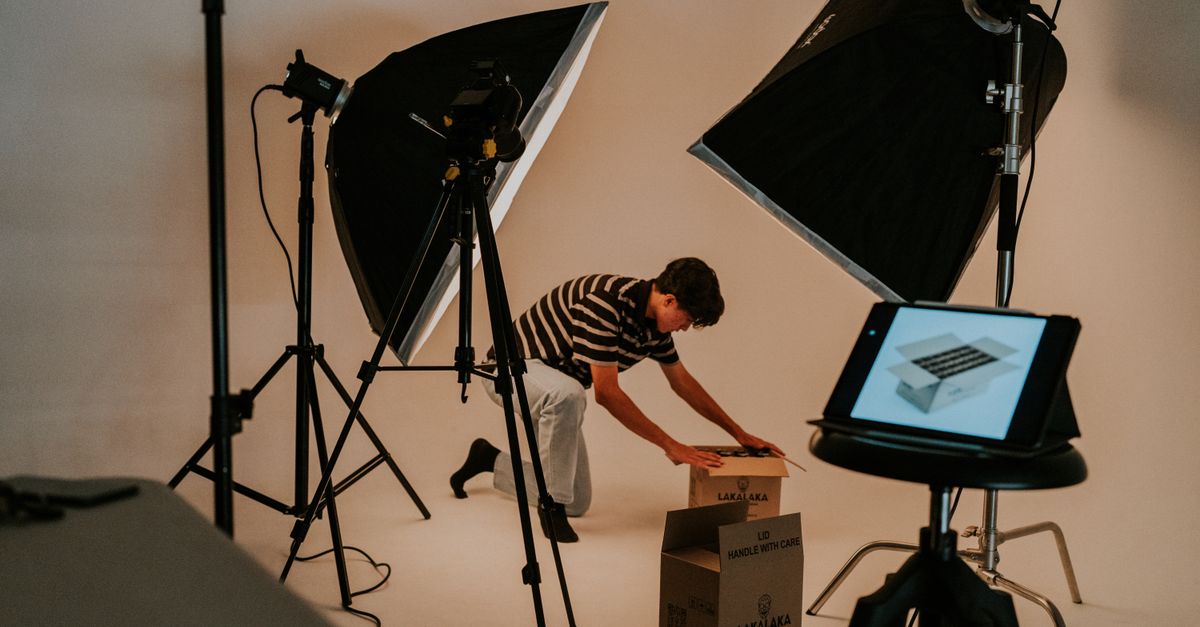
A 15-second clip of a craftsman hand-burnishing a leather edge generates more comments than any static product image. Why? Because process is fascinating to watch, and it triggers a specific kind of awe-comment: “I had no idea that’s how it was made.” That comment costs you nothing and tells Facebook your ad is worth distributing. Shoot these on your phone. Raw and real outperforms polished and corporate in this category.
Before-and-After Patina Posts
Show a leather bag on day one and the same bag after two years of use. Side by side. This format performs exceptionally well for comment growth because it triggers nostalgia, ownership pride in existing customers, and aspiration in new ones. Existing customers will tag the post with their own aging leather stories. That organic comment thread becomes social proof that no ad budget can buy directly.
Understanding how to turn a product post into that kind of comment magnet is exactly what Turning Product Posts Into Comment Magnets: Lessons for Fashion & Leather Brands is built around — worth reading before you set up your next campaign.
Sizing and Fit Transparency Posts
One of the top reasons fashion ecommerce buyers abandon carts is uncertainty about fit, dimensions, or material feel. Run ads that address this head-on with real measurements and honest comparisons. “This tote fits a 13-inch laptop, one water bottle, and your lunch — but not a 15-inch MacBook Pro.” That specificity invites people to ask questions in the comments, which is exactly the engagement signal you want. Questions in comments are buyers doing pre-purchase research publicly.
Campaign Structure for Maximum Comment Growth

Running fashion facebook ads without a comment-growth strategy baked into the campaign structure is leaving organic reach on the table. Here’s how to build the architecture properly.
Start with a broad awareness campaign using your most comment-friendly creative — process video or origin story copy. Set a modest budget of $10–$15/day for the first 5 days. Don’t optimize for conversions yet. Optimize for post engagement. Let Facebook find the people who comment and react. Then build a custom audience from that engagement pool and run your conversion-optimized retargeting campaign at them. These people have already demonstrated they care enough to interact.
Timing matters too. Fashion audiences on Facebook are most active between 7–9 PM local time on weekdays. For a more data-driven breakdown of when to post for maximum reply rates, Best Time to Post on Facebook for More Replies gives you the specifics by audience type.
One more structural note: always get the direct URL to your ad so you can monitor its comment thread in real time. Facebook’s notification system misses things. If you’re not sure how to find it, How to Get a Direct Link to Your Facebook Ad walks you through it step by step.
Responding to Comments Like a Brand That Earns Loyalty

Getting comments is half the job. What you do with them determines whether that thread grows or dies. Reply to every comment within the first two hours of posting — Facebook’s algorithm treats reply velocity as a signal of post quality. A comment that gets a brand reply is more likely to generate a second comment from the original poster.
Don’t reply with “Thanks!” Reply with something that extends the conversation. If someone says “I love the color,” ask them which colorway they’d want to see next season. That one question can add 10 more comments to a thread that would have stopped at one. Treat your comment section like a fitting room conversation, not a customer service ticket queue.
If you want to understand how to convert that comment momentum into something more lasting, Turn Facebook Likes Into Real Comments That Matter covers the psychology of moving passive audiences toward active engagement.
Some brands also use a seeding strategy for new posts — getting an initial wave of comments early to trigger algorithmic momentum. If you want to explore that approach ethically, The Strategic Guide: When and Why to Buy Real Facebook Comments for Business Growth outlines when it makes sense and how to do it without undermining authenticity.
Frequently Asked Questions
Should I run separate campaigns for leather goods versus apparel, or combine them?
Separate them. Leather goods buyers and apparel buyers have different purchase timelines and different comment triggers. Leather buyers respond to durability, craft, and long-term value. Apparel buyers respond to trend, fit, and identity. Mixing the two in one ad set forces Facebook to find an audience that satisfies both, which usually means it finds neither well. Even if your brand sells both, separate creative and separate audiences will outperform a combined approach in both comment volume and conversion rate.
My fashion facebook ads get comments, but they’re mostly negative or price complaints — how do I handle that?
Don’t delete them unless they’re abusive. A price complaint is an opening, not a crisis. Reply with the value equation: “You’re right, it’s not cheap — it’s also the last wallet you’ll buy for 15 years. Happy to tell you more about the materials if you’re curious.” That reply often gets more positive engagement than the original ad copy, because it demonstrates confidence and craftsmanship. Negative comments that get thoughtful brand replies frequently convert skeptics into buyers.
How many comments does a fashion ad need before Facebook starts distributing it more broadly?
There’s no official threshold, but internal testing by media buyers across ecommerce brands consistently shows a meaningful shift in organic reach once a post crosses 15–20 genuine comments. That’s why the first 24–48 hours are critical. Concentrate your engagement efforts there — reply fast, ask follow-up questions, and if you’re using a seeding strategy, deploy it within the first 6 hours, not after the post has already gone cold.